What are Adenoids?
Adenoids are a patch of spongy, lymphoid tissue located high up in the back of the throat, just behind the nasal cavity. As a crucial part of a child's immune system, adenoids trap harmful bacteria and viruses inhaled through the nose. However, when adenoids become chronically infected or abnormally enlarged (hypertrophy), they can block the airway and cause severe breathing, sleeping, and developmental issues, particularly in children.
Causes of Enlarged Adenoids
Adenoids can swell and become enlarged due to several reasons:
- Repeated viral or bacterial upper respiratory infections.
- Chronic allergies and allergic rhinitis.
- Genetic predisposition (a family history of adenoid issues).
- Prolonged exposure to secondhand smoke in enclosed environments.
Common Symptoms in Children
Parents should consult an ENT specialist if they notice any of the following symptoms in their child:
- Chronic mouth breathing and loud snoring during sleep.
- Pauses in breathing while sleeping (Sleep Apnea).
- Frequent middle ear infections or sudden hearing loss due to fluid buildup.
- Restless sleep leading to daytime fatigue, irritability, and behavioral issues.
- Dry mouth, bad breath, and an increase in dental cavities.
- Poor appetite and delayed physical development.
What Happens If Left Untreated?
If ignored, enlarged adenoids can lead to permanent structural changes in a child's facial bones and teeth, a condition known as "Adenoid Face" (elongated face and prominent upper teeth). Additionally, the lack of quality sleep and reduced oxygen intake can severely hinder a child's cognitive and physical growth, alongside risking permanent hearing impairment.
How is Adenoid Removal Surgery (Adenoidectomy) Performed?
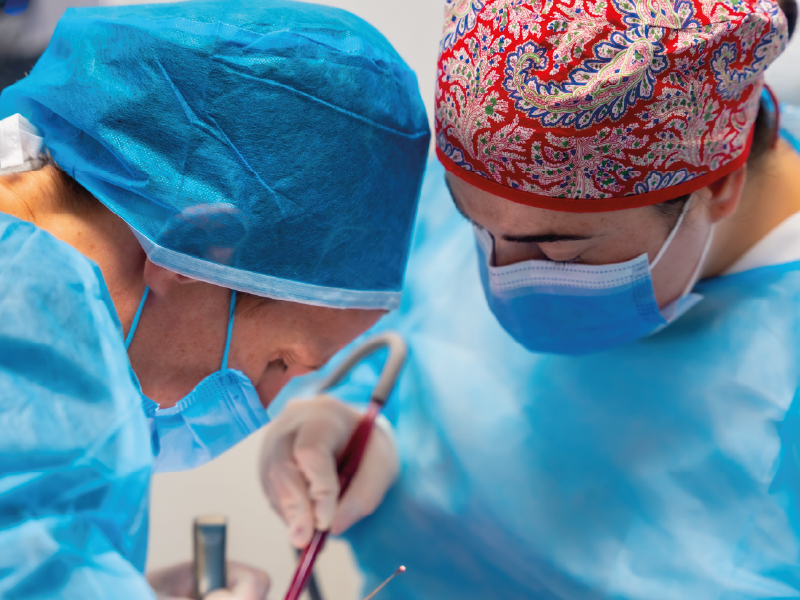
Although the idea of surgery can be frightening for parents, an adenoidectomy is a very common, quick, and safe procedure:
- The surgery is performed under general anesthesia, ensuring the child feels no pain.
- The procedure is done entirely through the open mouth; no external cuts or incisions are made on the face or neck.
- Using specialized medical instruments, the surgeon gently scrapes or vaporizes the adenoid tissue away.
- Because the adenoid area lacks major nerve endings, no stitches are required.
- The entire operation typically takes only 15 to 20 minutes.
Post-Operative Recovery
Recovery from an adenoidectomy is usually swift and straightforward. Once the anesthesia wears off (after a few hours), the child can begin eating a soft, cool diet such as ice cream, lukewarm soups, and mashed foods. Severe pain is rare. Parents will notice a rapid improvement in their child's breathing and a complete cessation of snoring, allowing for healthy sleep and normal development to resume.