What is Endoscopic Sinus Surgery (FESS)?
Functional Endoscopic Sinus Surgery (FESS) is a modern, minimally invasive surgical procedure used to treat chronic sinus conditions, nasal polyps, and sinus tumors that severely impact a patient's quality of life. Using a thin tube with a camera (endoscope) inserted through the nostrils, the surgeon removes diseased tissue and opens the sinus drainage pathways without making any external incisions on the face.
When is Endoscopic Sinus Surgery Needed?
This procedure is the primary treatment for the following conditions:
- Chronic Sinusitis that does not respond to medical treatments.
- Nasal Polyps: Noncancerous growths lining the nasal passages or sinuses.
- Benign or malignant Nasal and Sinus Tumors.
- Severe structural issues like a Deviated Septum or Enlarged Turbinates blocking the sinus pathways.
How is the Procedure Performed?
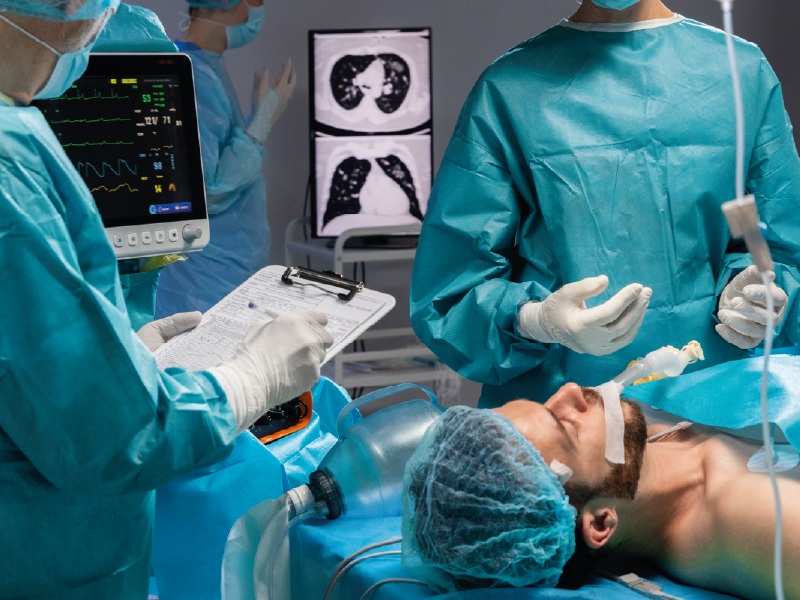
Performed under general anesthesia, the surgery typically takes between 15 minutes to an hour, depending on the complexity:
- The surgeon navigates through the nostrils using an endoscope, ensuring no external cuts or scars.
- Micro-instruments are used to delicately remove inflamed tissues, obstructive polyps, or tumors.
- The natural sinus openings are enlarged to restore proper ventilation and drainage.
- Advantage: In most cases, traditional nasal packing is not required. If necessary, modern breathable silicone splints are used, making the recovery process highly comfortable and fast.
Understanding Sinusitis: Causes and Symptoms
Sinusitis is the inflammation or infection of the air-filled cavities (sinuses) around your face. It is classified as acute (lasting up to 4 weeks) or chronic (lasting over 8 weeks despite treatment).
Causes: Untreated respiratory infections, severe allergic rhinitis, a deviated septum, enlarged adenoids, and frequent exposure to cigarette smoke.
Key Symptoms:
- Thick, discolored nasal discharge and chronic cough due to postnasal drip.
- Severe facial pain and pressure around the eyes, forehead, and cheeks (often worsens when bending forward).
- Loss of smell and taste, accompanied by bad breath (halitosis).
- A feeling of fullness or pressure in the ears.
Modern Treatments for Sinusitis (Balloon Sinuplasty)
Mild cases are treated medically with antibiotics, antihistamines, and nasal corticosteroid sprays. However, chronic cases require surgical intervention.
In addition to traditional endoscopic surgery, Balloon Sinuplasty is highly effective for chronic sinusitis. A small, deflated balloon is guided into the blocked sinus passage and inflated to gently widen the opening. Because no tissue or bone is cut, this method involves minimal bleeding and offers a rapid recovery.
Nasal Tumors and Their Treatment
Tumors in the nasal cavity or sinuses can be benign (like osteomas or papillomas) or malignant (such as squamous cell carcinoma). Symptoms include unilateral nasal blockage, frequent nosebleeds, facial pain, and double vision.
Treatment: Benign tumors and early-stage malignant tumors can be successfully completely removed using Endoscopic Sinus Surgery. Advanced malignant tumors may require a combination of surgery, radiation, and chemotherapy.