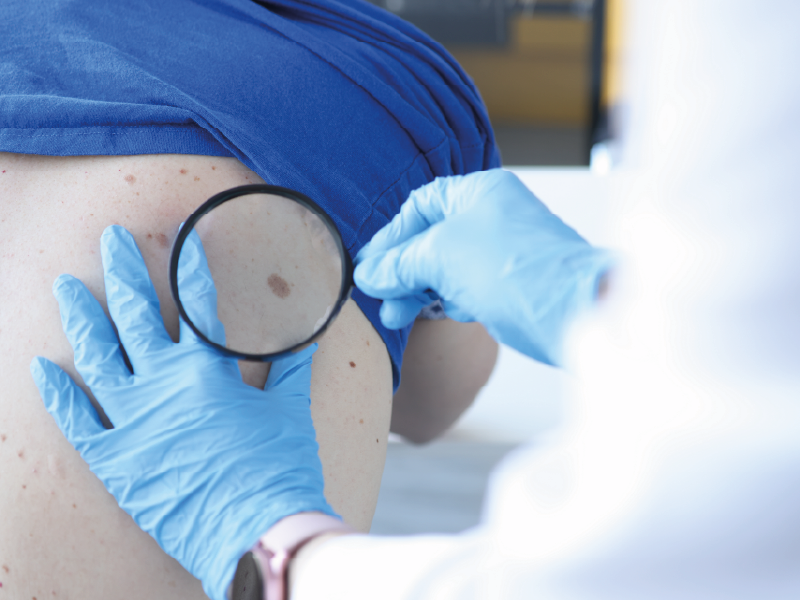
What is Skin Cancer?
Skin cancer is one of the most common types of cancer worldwide. It can develop on normal, healthy skin or arise from an existing mole (nevus). The disease primarily occurs when "melanocytes"—the cells that produce melanin, the pigment responsible for skin color and tanning—begin to grow out of control. Regular skin checks and early detection are crucial for successful treatment.
Types of Skin Cancer
Skin cancers are classified based on the type of cell where the cancer begins:
- Basal Cell Carcinoma (BCC): The most common and slow-growing type. It usually appears on sun-exposed areas like the face and neck, particularly in fair-skinned individuals.
- Squamous Cell Carcinoma (SCC): Develops in the outer and middle layers of the skin. It is frequently found on the scalp, hands, face, and ears after prolonged sun exposure.
- Melanoma: The rarest but most dangerous form of skin cancer. It originates in melanocytes and has a high tendency to spread (metastasize) rapidly to other organs if not caught early.
Symptoms to Watch For
Paying attention to changes in your skin is the key to early diagnosis. Look out for the following warning signs:
- Open sores that bleed, ooze, or crust and remain unhealed for weeks.
- Red patches, scaly bumps, or wart-like growths on the skin.
- Unusual blue, black, purple, or dark brown lesions (a major warning sign for Melanoma).
- Changes in Moles: Pay attention to moles that are asymmetrical, have irregular borders, change in color, or grow larger in diameter (the ABCDE rule of Melanoma).
Causes and Risk Factors
The primary triggers for skin cancer include:
- UV Radiation & Sunburns: Excessive exposure to the sun and a history of severe sunburns, especially during childhood.
- Fair Skin: People with light skin, freckles, and light-colored eyes have less melanin protection against UV rays.
- Tanning Beds (Solarium): Frequent use of artificial tanning beds causes severe DNA damage to skin cells.
- Genetics & Moles: Having a family history of skin cancer or possessing a large number of atypical moles.
- Other Factors: Advanced age (50+), a weakened immune system, and heavy smoking.
Diagnosis and Treatment Options
A dermatologist will examine the skin using a specialized magnifying tool called a Dermatoscope. If a lesion looks suspicious, a small tissue sample is removed under local anesthesia (Biopsy/Histopathology) to confirm the diagnosis.
Treatment is tailored to the stage and type of cancer:
- Early Stage (Stage 1): The tumor is surgically removed (excised) along with a margin of healthy tissue to ensure no cancer cells remain.
- Advanced Stages (Stages 2 & 3): If there is a risk that the cancer has spread, a "sentinel lymph node biopsy" is performed. If metastasis is found, the affected lymph nodes are surgically removed. Depending on the severity, surgery may be followed by radiation therapy, chemotherapy, or immunotherapy.
Prevention and Skin Care
Protecting your skin daily is the best defense against skin cancer:
- Apply a broad-spectrum sunscreen (SPF 50 or higher) every day and avoid tanning beds entirely.
- Avoid harsh chemical cosmetics; keep your skin clean and well-moisturized with quality products.
- Support skin health with a diet rich in Omega-3s (fish, walnuts), Beta-Carotene (tomatoes), and Vitamins A, C, and E (avocados).
- Perform regular self-examinations of your moles and consult a doctor immediately if you notice any changes.