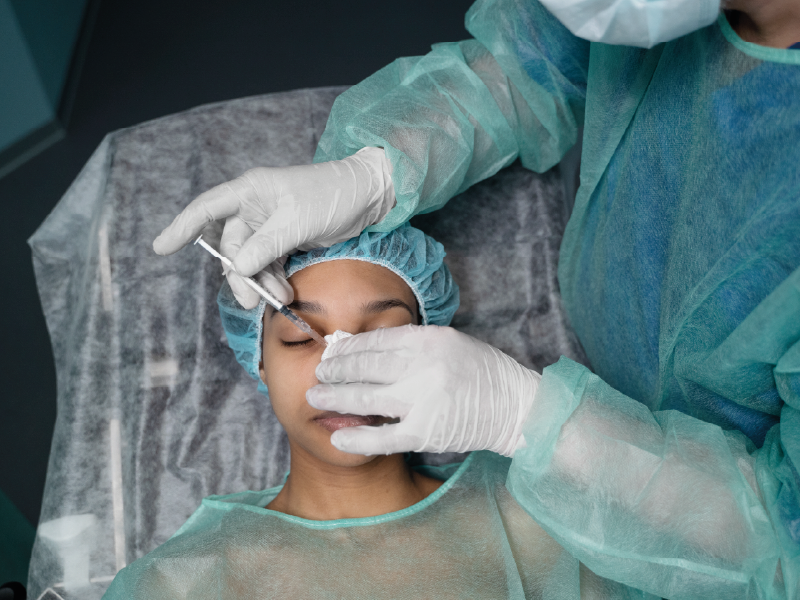
What is Turbinate Hypertrophy (Enlarged Nasal Turbinates)?
Nasal turbinates are small, shelf-like structures inside the nose that cleanse, heat, and humidify the air we breathe. When these tissues become abnormally enlarged, the condition is known as Turbinate Hypertrophy. Enlarged turbinates block the nasal airway, forcing the individual to breathe through their mouth. This significantly reduces sleep quality, causes throat irritation, and negatively impacts overall daily life.
Causes of Enlarged Nasal Turbinates
Several factors can trigger the swelling and overgrowth of turbinate tissues:
- Allergies: Chronic reactions to pollen, dust mites, mold, or pet dander.
- Environmental Irritants: Prolonged exposure to polluted, dusty, or extremely dry air.
- Smoking: Inhaling tobacco smoke severely irritates the nasal lining, causing chronic swelling.
- Septal Deviation: A crooked nasal septum can cause the turbinate on the opposite, wider side of the nose to enlarge to compensate for airflow.
- Chronic Sinusitis: Long-term sinus infections lead to persistent tissue inflammation.
Common Symptoms
Patients with turbinate hypertrophy typically experience the following issues:
- Chronic nasal congestion (feeling "stuffed up" all the time).
- Severe dry mouth and throat due to constant mouth breathing.
- Sleep disturbances, including loud snoring and sleep apnea.
- Facial pressure, headaches, and a constant feeling of chronic fatigue.
How Are Enlarged Turbinates Treated?
While over-the-counter nasal decongestant sprays may offer temporary relief, they should not be used for more than 5-6 days. For a permanent solution, the following medical procedures are highly effective:
1. Minimally Invasive Procedures
- Radiofrequency (RF) Reduction: A highly successful, minimally invasive procedure performed under local or general anesthesia. It uses radiofrequency energy to shrink the turbinate tissue from the inside out without cutting the mucosal surface.
- Ultrasonic Aspiration: Uses sound waves and laser technology to reduce the size of the tissue safely and effectively.
2. Surgical Turbinate Reduction
If the turbinates are excessively large or if the patient also suffers from a deviated septum, traditional surgery may be required:
- Partial Resection: Surgical removal of a portion of the overgrown turbinate tissue.
- Cauterization: Using targeted heat to shrink the tissues.
- Combined Surgery: Often, an ENT specialist and a Plastic Surgeon will work together to perform a Septoplasty (or Rhinoplasty) alongside turbinate reduction in a single operation.
What Happens If Left Untreated?
Ignoring enlarged turbinates forces the body to rely on mouth breathing, which provides less oxygen and poor air filtration. Over time, this can lead to chronic fatigue, recurring throat infections (pharyngitis), severe sleep apnea, and cardiovascular strain. Timely intervention by an ENT specialist is crucial for restoring normal breathing and improving quality of life.
Turbinate enlargement is also common in patients considering rhinoplasty; when needed, turbinate treatment can be performed in the same session. See functional rhinoplasty and rhinoplasty.