What is Septoplasty (Deviated Septum Surgery)?
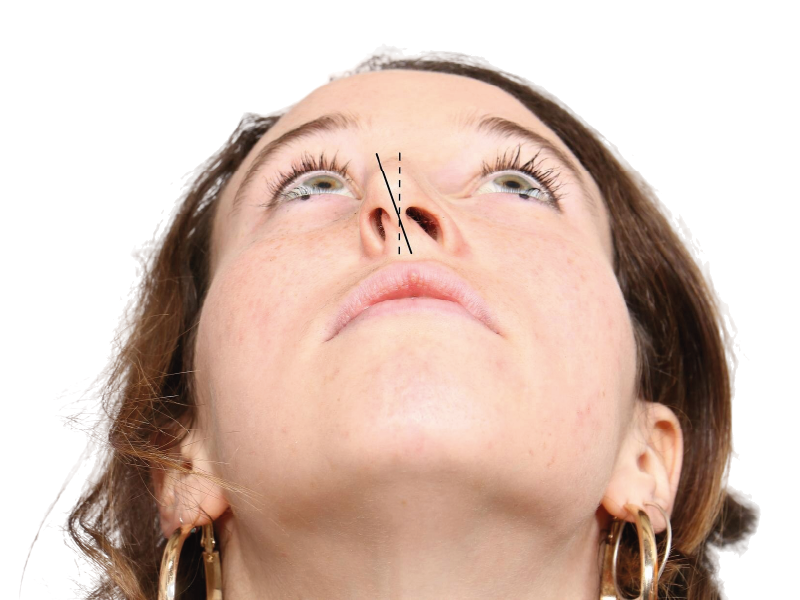
Septoplasty is a surgical procedure performed to straighten a deviated nasal septum—the wall of bone and cartilage that divides the space between your two nostrils. When the septum is significantly crooked (a condition known as a Deviated Septum), it can block one side of your nose, making it difficult to breathe. Unlike rhinoplasty, which is performed to change the outward appearance of the nose, septoplasty strictly focuses on correcting the internal structure to restore healthy, unobstructed airflow.
When is a Septoplasty Necessary?
Not all septal deviations require surgery. However, intervention becomes essential when the structural issue causes significant functional problems, such as:
- Chronic nasal congestion leading to constant mouth breathing.
- Severe, disruptive snoring and sleep apnea caused by obstructed airways.
- Structural blockages stemming from birth defects or facial trauma/accidents.
- Frequent, unexplained nosebleeds and persistent post-nasal drip.
- Chronic headaches and recurrent sinusitis triggered by poor nasal drainage and ventilation.
How is the Procedure Performed?
The surgery is typically performed under general anesthesia (though local anesthesia is sometimes used) and generally takes about an hour:
- The surgeon makes an incision entirely inside the nostril to lift the mucosal lining covering the septum.
- The deviated portions of the bone and cartilage are carefully reshaped, repositioned, or entirely removed to clear the airway.
- If there are other obstructive issues, such as enlarged nasal turbinates, they can be reduced during the same operation.
- Once the septum is straight, the mucosal lining is sutured back into place. Modern, breathable silicone splints (tampons) are often inserted to prevent bleeding and hold the septum in its new, straight position during the initial healing phase.
Note: If a patient wishes to fix their breathing issues while also altering the external shape of their nose, a combined procedure known as Septorhinoplasty can be performed.
Pre-Operative and Post-Operative Care
Before Surgery:
- Stop taking aspirin, ibuprofen, and other blood-thinning medications at least 10 days before surgery, as directed by your doctor.
- Cease smoking and alcohol consumption to minimize anesthesia risks and promote better healing.
- Inform your doctor immediately if there is any possibility of pregnancy.
After Surgery (Recovery):
- Avoid eating or drinking for the first 4 hours post-surgery to prevent nausea from the anesthesia.
- Keep your head elevated on extra pillows while sleeping to minimize swelling and congestion.
- Strictly avoid strenuous activities, heavy lifting, or bending over frequently for the first few weeks to prevent bleeding.
- Stay away from extremely hot environments, such as long hot showers, saunas, and steam rooms, as heat dilates blood vessels and increases the risk of nosebleeds.
If a change in the outer shape of the nose is also desired, both procedures can be combined in one operation. See functional rhinoplasty (septorhinoplasty) and the rhinoplasty in Istanbul overview.