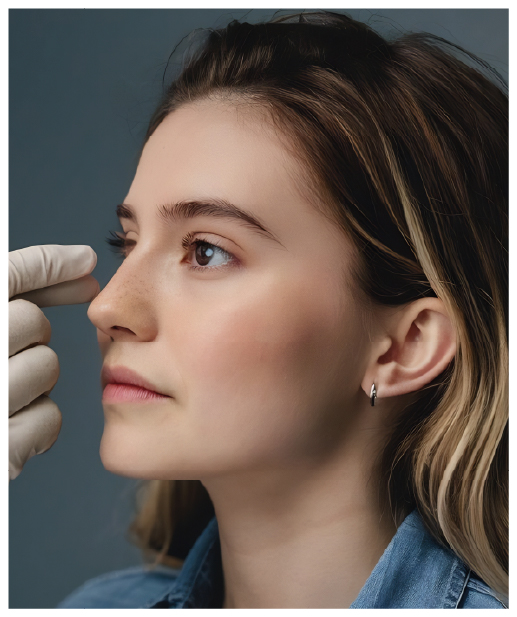
What is Rhinoplasty (Nose Job)?
Rhinoplasty, or nose job surgery, is a surgical procedure that corrects structural deformities in your nose to achieve a natural look harmonious with your face. The biggest advantage of rhinoplasty is that it can resolve functional issues (breathing problems) in the same session while addressing aesthetic concerns. During the operation, complaints such as deviated septum (septoplasty), enlarged nasal turbinates (concha hypertrophy), sinusitis (endoscopic sinus surgery), and sleep apnea can be treated all at once. When necessary precautions are taken, this surgery, which has a success rate of over 95%, provides the patient with a lifetime of comfortable breathing and self-confidence.
Surgical Methods: Open and Closed Rhinoplasty
In nose job surgeries, two different techniques are applied depending on the patient's nasal structure and the extent of the intervention:
- Closed Rhinoplasty: This is a method where all procedures are performed through the nostrils without any external incisions on the nose. It is ideal for patients who do not have severe structural deformities in their nose and require minor revisions.
- Open Rhinoplasty: This method involves making a small incision in the area between the nostrils to lift the nasal skin. It provides the surgeon with full command over the entire bone and cartilage structure. It is the most precise and reliable technique for severe structural deformities and resolving breathing problems.
What is the Piezo Method? Why is There No Bruising?
The Piezo (Ultrasonic Rhinoplasty) method is the process of precisely cutting and filing the nasal bones using sound waves instead of traditional breaking tools. The biggest advantage of this method is that it causes absolutely no damage to the surrounding soft tissues, muscles, blood vessels, and nerves while shaping the bone.
In my own surgical practice; because I work respectfully with the tissues without rushing during my surgeries and meticulously use advanced technological devices like Piezo, almost no tissue damage occurs. Thanks to this, 90% of my patients get through the healing process without any bruising and with very mild edema. You can transparently see these successful results in the before/after posts on our social media (Instagram) accounts.
Pre-operative and Post-operative Process
Before Surgery:
- During the consultation, your expectations are listened to, and the most suitable nose shape for your face is designed with a simulation.
- Blood thinners, smoking, and heavy alcohol consumption must be strictly stopped 1 week to 10 days before the operation.
- Blood tests and anesthesia evaluation must be completed thoroughly.
After Surgery:
- To prevent nausea after anesthesia, water and food should not be consumed in the first few hours.
- While sleeping, the head should be kept elevated, and firm pillows should be preferred.
- Regular ice compresses should be applied in the first few days for any mild swelling that may occur.
- To protect the nose from impacts, you should avoid heavy sports and humid environments such as excessively hot baths and saunas.
- Only the painkillers and sprays prescribed by your physician should be used, and the silicone splints inside the nose should not be interfered with.
Is Rhinoplasty Risky? How Much Does It Cost?
As long as it is performed by an experienced specialist in a fully equipped hospital, rhinoplasty does not carry a serious risk. The secret to success is choosing the right physician and the patient transparently sharing their medical history (medications used, diseases, etc.) with their doctor. The cost of the surgery is determined specifically for the individual based on the technique to be used (Piezo, Open/Closed), additional problems inside the nose (deviation, polyps, etc.), and skin structure.