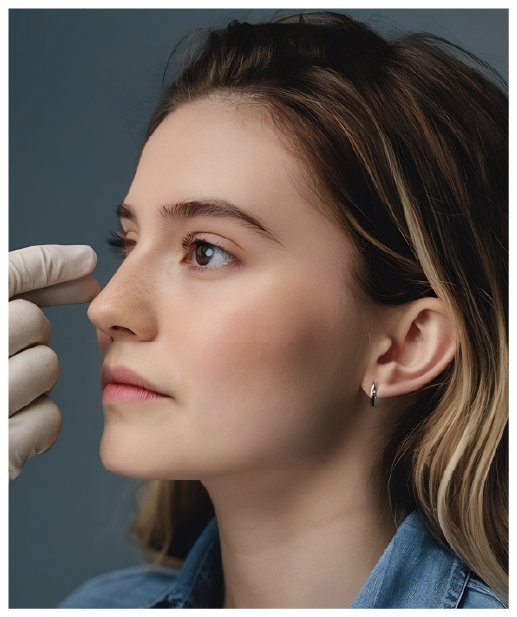
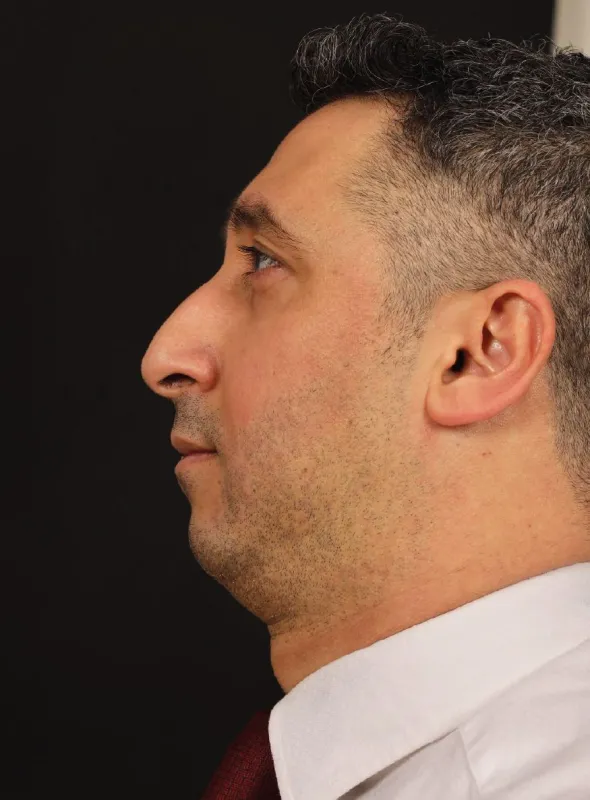
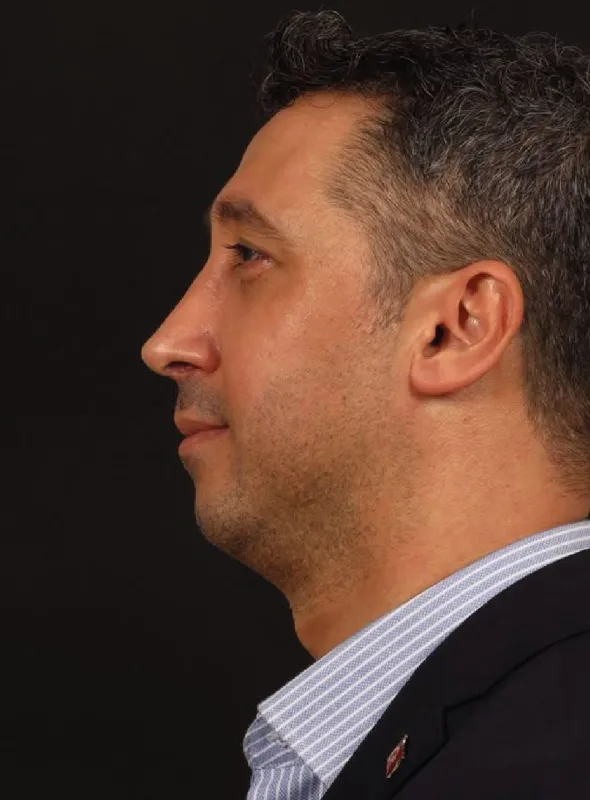
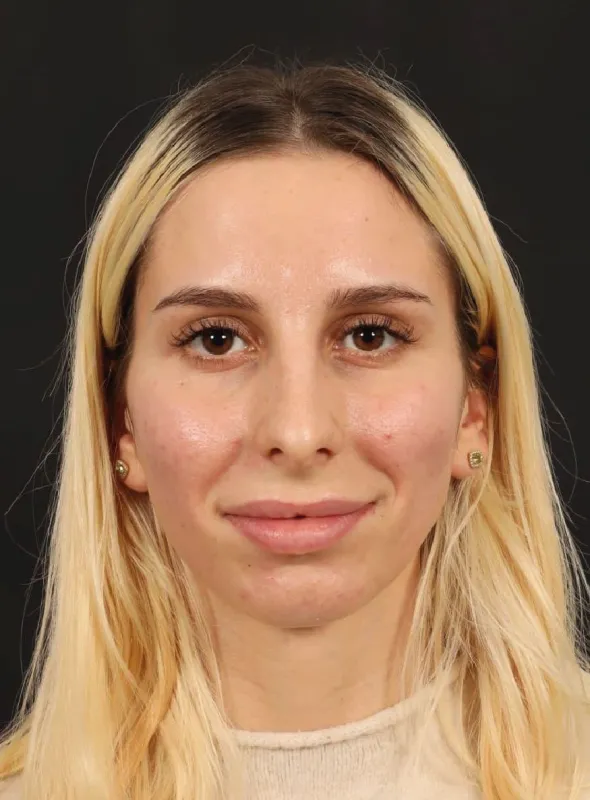
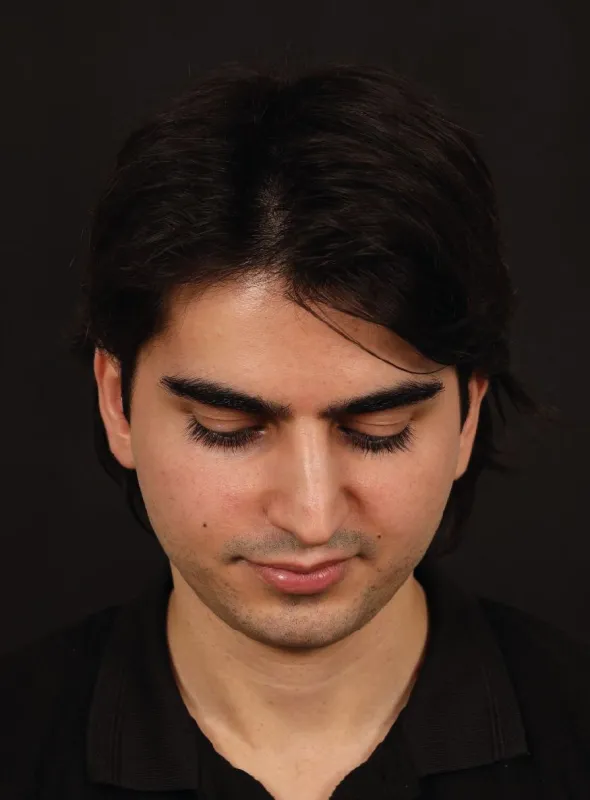
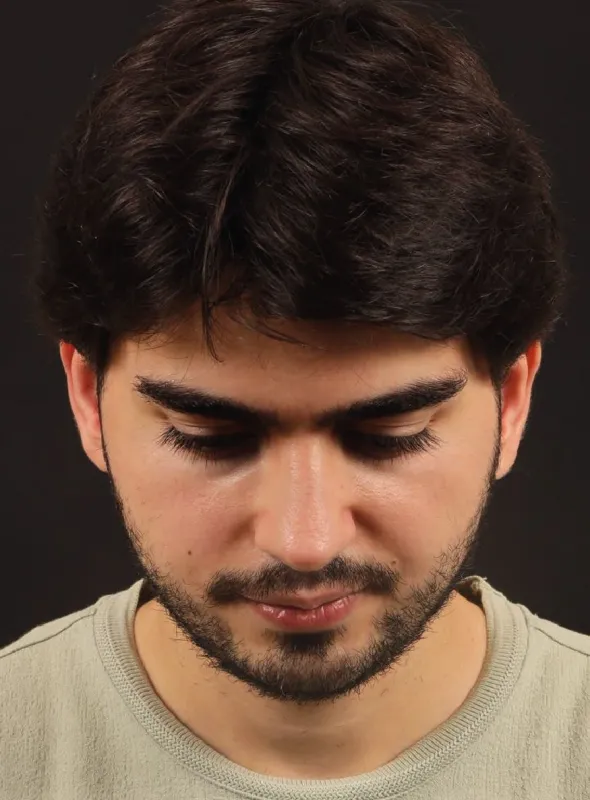
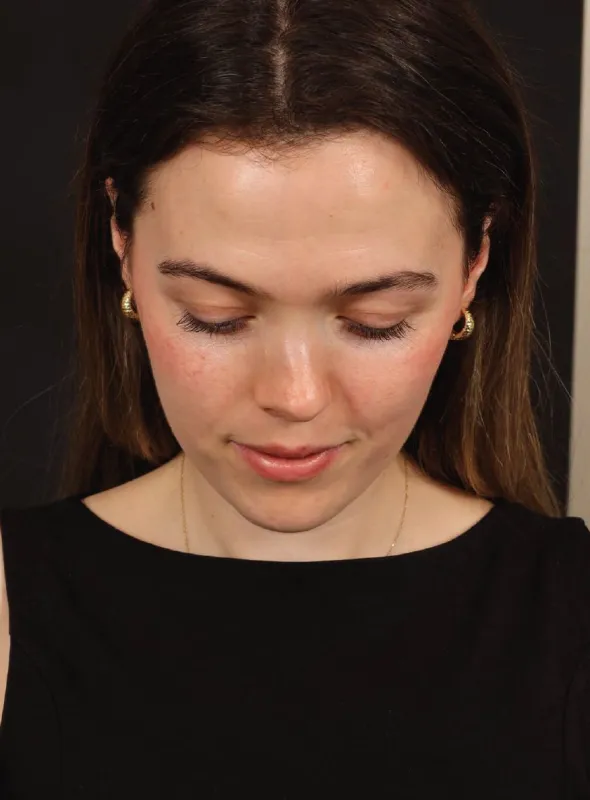
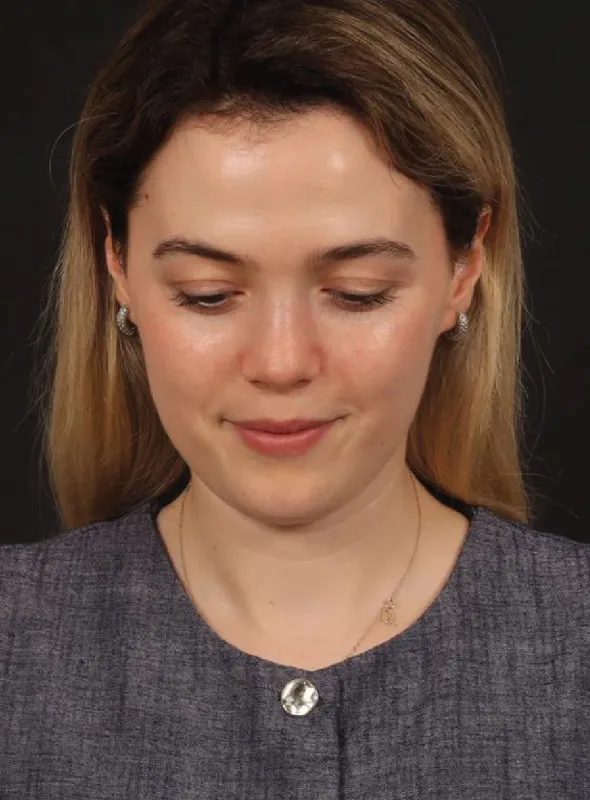
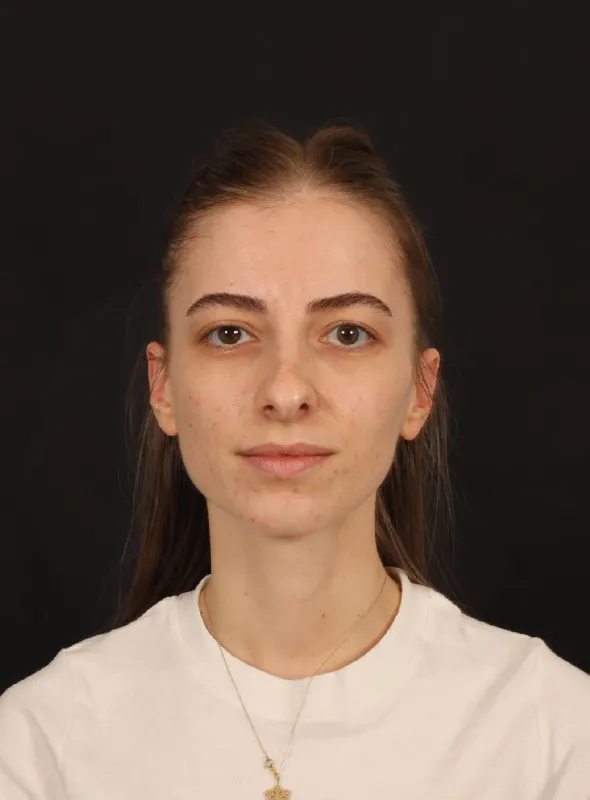
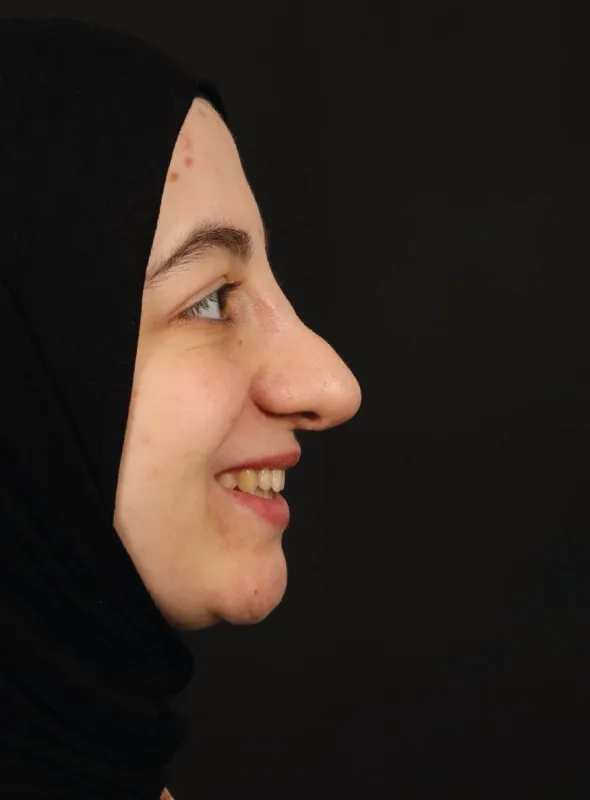
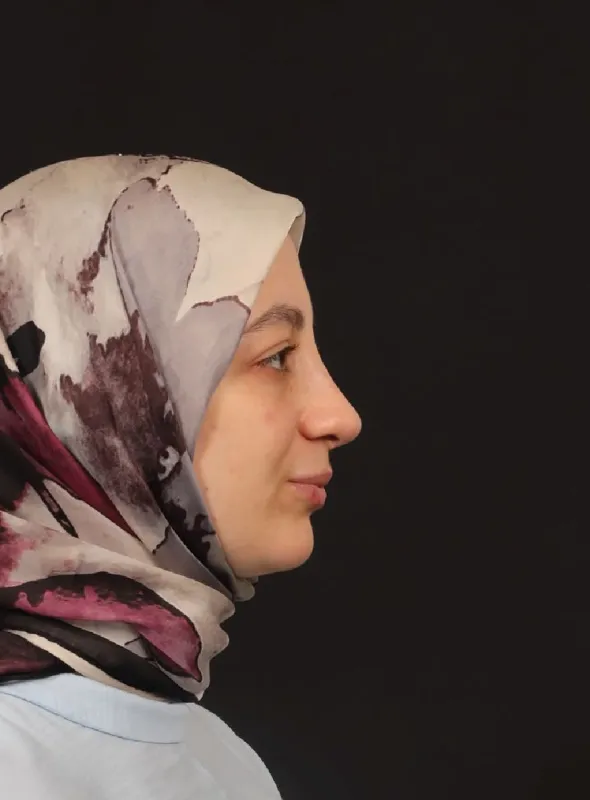
Rhinoplasty, also known as nose surgery or a nose job, is a surgical procedure that reshapes the outer nose and, when needed, improves the airway at the same time. I am Prof. Dr. Şahin Ulu, a specialist in Otorhinolaryngology – Head and Neck Surgery. At my practice in Üsküdar (Acıbadem), Istanbul, I plan rhinoplasty by considering the appearance and the function of the nose together, not separately.
This page brings together what you need to know about rhinoplasty: which type of nose surgery suits whom, what I look at during the examination, the techniques used, the day of surgery, recovery, risks and revision. Each section links to a more detailed page. The information here is for general guidance; the right plan for you can only be set after a face-to-face examination.
What is rhinoplasty?
Rhinoplasty reshapes the bone and cartilage framework of the nose. A dorsal hump can be reduced, a wide bony vault narrowed, a drooping or wide tip supported and refined, and a nose that is out of proportion with the face reduced or, when needed, reinforced. The goal is a nose that looks natural and in harmony with the forehead, eyes, lips and chin.
The nose is also the entrance to the airway. The septum, the turbinates and the nasal valves determine how comfortably you breathe. That is why rhinoplasty planning includes the inside of the nose as well as its outer shape: a nose that looks good but breathes poorly is not a good result.
Types of nose surgery
- Aesthetic rhinoplasty: reshapes the outer nose to suit the face — hump, tip, width and length.
- Functional rhinoplasty (septorhinoplasty): corrects breathing problems such as a deviated septum, enlarged turbinates or valve narrowing together with the shape of the nose. See functional rhinoplasty.
- Septoplasty: straightens the septum for breathing without changing the outer nose. See septoplasty.
- Revision rhinoplasty: a second operation on a previously operated nose to correct shape or breathing problems. See revision rhinoplasty.
Who is a candidate?
Rhinoplasty can be considered for people whose facial and nasal growth is complete (generally 18 years and older), whose general health allows surgery and whose expectations are realistic. Bleeding tendency, regular medications, smoking, chronic sinusitis or allergies are discussed during the examination, and tests are requested when necessary.
Why appearance and breathing are planned together
During the examination I assess the inside of the nose as well as its outer shape. A nose that looks straight may still have a deviated septum, enlarged turbinates or a narrow valve area; an aesthetic operation that overlooks these can leave a breathing problem in place. On the other hand, over-narrowing the internal structures while making the nose smaller can create an obstruction that was not there before. When needed, septum, turbinate or valve corrections are performed in the same operation, so that two separate operations and two recovery periods are avoided.
Examination and planning
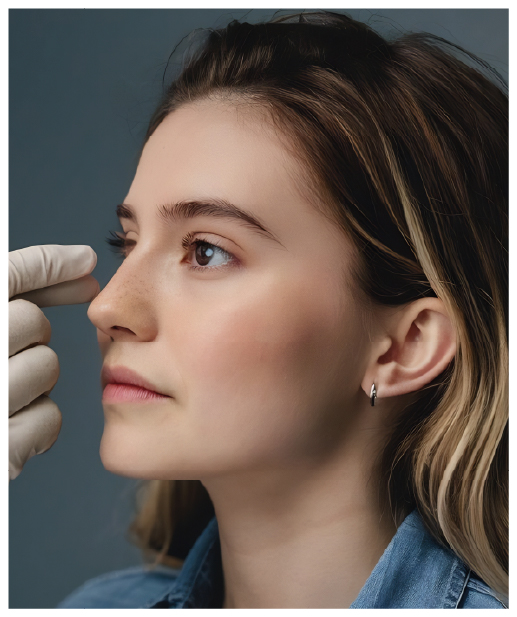
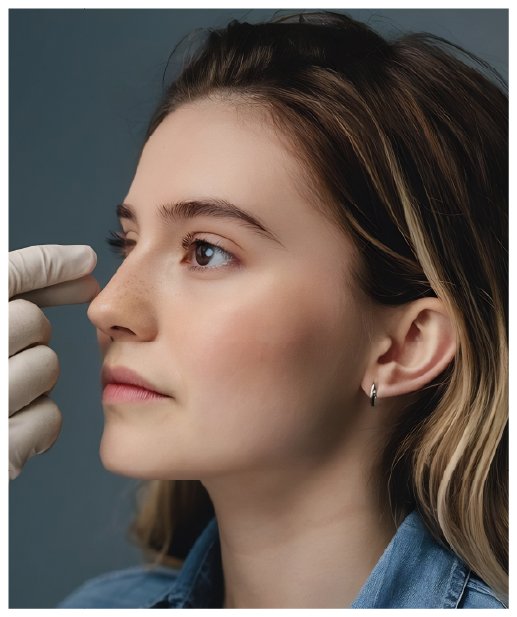
The process starts with a detailed consultation and examination at my practice in Istanbul. Facial proportions, skin thickness, cartilage and bone support are assessed, and the inside of the nose is examined endoscopically. At the end, we discuss openly what can be changed, what may remain limited and which technique is considered and why. The decision to operate is made after this discussion, without haste. If you have had nose surgery before, please bring your operative report and earlier photographs.
Techniques
Techniques are chosen according to the structure of the nose and the extent of the correction, not by any ranking; several can be combined in the same patient.
- Open and closed rhinoplasty: in the open approach a small incision is made on the columella and the cartilages are shaped under direct vision; in the closed approach all incisions are inside the nose. See open vs closed rhinoplasty.
- Piezo (ultrasonic) rhinoplasty: the nasal bones are cut and shaped with fine tips vibrating at ultrasonic frequency, aiming to affect the soft tissues less. See piezo rhinoplasty.
- Structural support: the nose's support system is preserved and reinforced with cartilage grafts where needed, because excessive tissue removal can lead to collapse and breathing problems over the years. See natural rhinoplasty.
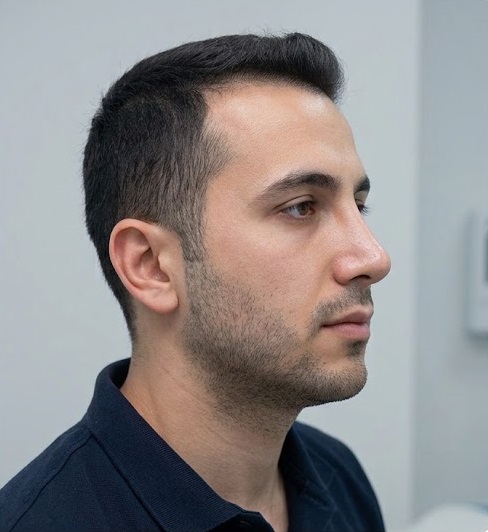
Specific problems have their own pages: dorsal hump, nasal tip and male rhinoplasty.
The day of surgery
Rhinoplasty is performed in partner hospitals, usually under general anaesthesia. Depending on the technique and the extent of correction, most operations take about 2–4 hours, and patients usually stay in hospital for one night. A splint is placed on the nose at the end of the operation; whether internal support is used depends on the procedure performed.
Recovery after rhinoplasty
Recovery varies from person to person; skin thickness, the extent of the procedure and whether bone work was done all play a role. As a general framework:
- First days: swelling of the nose and around the eyes, and bruising if bone work was done. Resting with the head elevated and the recommended cold application help.
- First week: the external splint is usually removed after about one week; most of the bruising fades.
- First weeks: swelling decreases noticeably and most patients return to daily life and desk work. Glasses should not press on the nose, and the nose must be protected from knocks.
- First months: return to strenuous and contact sports is decided at follow-up visits. Tip swelling is the last to settle.
- About one year: the final shape generally becomes clear within a year; with thick skin it may take longer.
If you notice persistent nosebleeding, fever or increasing pain and swelling, contact us or the nearest emergency department without waiting for your follow-up date.
Risks and revision
As with any surgery, there are risks of bleeding, infection and anaesthesia-related complications. Specific to rhinoplasty, asymmetry, breathing difficulty, changes in sensation and the possible need for a second operation can occur. What these risks mean for your nose is explained in detail during the examination. For a previously operated nose, revision is generally considered at least twelve months after the first operation.
Patients travelling from abroad
Our practice holds the International Health Tourism Authorization Certificate issued by the Republic of Türkiye Ministry of Health. You can contact us in advance for preliminary information; as with every patient, the decision to operate is made after a face-to-face examination. Your stay in Istanbul should allow for the first follow-up visits; its length is planned individually during the examination.
This page is for information only; diagnosis and treatment decisions are made during examination. To book an examination, please use the contact page or reach us by phone or WhatsApp.